
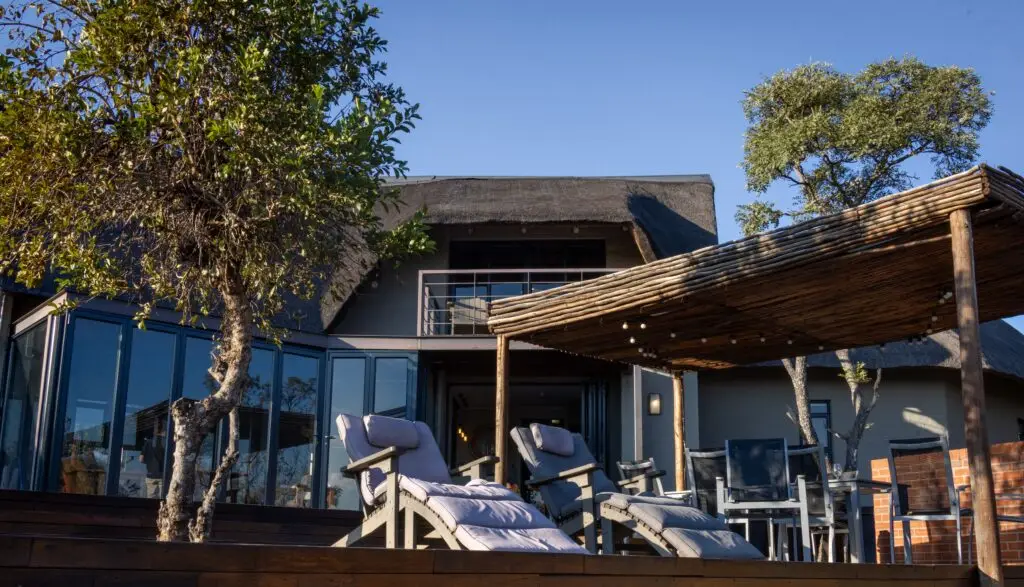
1. Executive Summary: The Structural Paradigm Shift in African Building Envelopes
Across Africa’s premier metropolitan centers and coastal frontiers—from Lagos (Banana Island, Eko Atlantic, Ikoyi) and Abuja (Maitama) in Nigeria, to Accra (Airport Residential) in Ghana, Nairobi (Westlands, Karen) in Kenya, Cape Town (Clifton, Camps Bay) in South Africa, and Cairo in Egypt—the luxury real estate landscape is undergoing an unprecedented structural transformation. Historically, residential and hospitality developments relied on conventional non-thermal aluminum frames with single glazing or traditional tropical hardwood joinery. Today, top-tier institutional developers and private high-net-worth investors are making European-standard thermally broken aluminum systems a mandatory baseline specification.
This transition is not merely an aesthetic choice; it is driven by hard economic realities: skyrocketing electricity tariffs, heavy reliance on costly diesel generator power during grid fluctuations, intense solar thermal radiation, aggressive tropical humidity, and the stringent sustainability criteria enforced by international green development funds (such as IFC EDGE and LEED).
2. Core Drivers Behind the Transition from Non-Thermal to Thermal Break Systems
A. Mitigating Heavy Diesel Generator and HVAC Cooling Loads
In hot and tropical African climates, standard aluminum profiles act as direct thermal conductors. When external ambient temperatures reach 38°C to 45°C with intense solar radiation, non-thermal aluminum frames conduct heat straight into the interior, heating up frame surfaces to over 50°C. This creates a massive thermal bridging effect that forces central HVAC systems and decentralized chillers to operate continuously at peak capacity.
In developments relying on diesel-powered backup generators, where operational kilowatt-hour costs can exceed $0.45/kWh, every kilowatt of thermal load eliminated translates directly into lower fuel bills. High-performance multi-cavity polyamide (PA66 GF25) thermal barrier profiles interrupt conductive heat transfer, lowering interior frame temperatures to ambient room levels (22°C–24°C) and reducing overall cooling energy consumption by 30% to 40%.
B. Overcoming the Limitations of Hardwood Joinery in Tropical Climates
While tropical hardwoods (such as Iroko, Teak, and Mahogany) have traditionally been viewed as prestige materials, they face catastrophic degradation under African environmental conditions. Persistent relative humidity (>80% RH), seasonal monsoon torrential rains, intense UV degradation, and subterranean termite infestation cause timber joinery to warp, crack, rot, and lose perimeter airtightness within 3 to 7 years, imposing recurring sanding, re-varnishing, and structural replacement costs. In contrast, 6063-T6 architectural aluminum treated with Qualicoat Class 2 or AAMA 2605 PVDF finishes delivers a 40+ year maintenance-free design lifespan impervious to termites and rot.
C. Meeting Demands of International and Diaspora High-Net-Worth Buyers (HNWIs)
Modern luxury developments in Africa increasingly cater to international investors and the African diaspora. These buyers are accustomed to European and North American comfort benchmarks: acoustic tranquility (eliminating urban traffic and exterior generator rumble), condensation-free interiors, ultra-slim minimalist sightlines, and effortless operation of floor-to-ceiling panoramic sliding facades.
D. Unlocking Green Financing and IFC EDGE / LEED Certifications
Global institutional investors and development finance institutions (DFIs) now condition capital deployment on green building compliance. Achieving the International Finance Corporation (IFC) EDGE Standard (which mandates a minimum 20% reduction in operational energy, water, and embodied energy) is virtually impossible in glass-intensive architectural designs without thermally broken fenestration and solar-control Low-E glazing.
3. Financial Payback & Total Cost of Ownership (TCO) Model
| Financial & Operational Parameter | Standard Non-Thermal Single/Double Glazing | Engineered Thermal Break + Solar Low-E System | Economic Impact & Developer Advantage |
|---|---|---|---|
| Initial Procurement Cost (Per m²) | Baseline ($120 – $180 / m²) | Premium ($180 – $260 / m²) | +25% to +35% initial CapEx investment |
| HVAC Chiller & Generator Sizing | 100% Full Capacity Required | Reduced by 25% – 35% | Immediate 20% CapEx savings on HVAC chillers & generator sizing |
| Monthly Diesel & Electricity OpEx | High ($350 – $600 / unit / month) | Optimized ($210 – $360 / unit / month) | Annual operational savings of $1,600 – $2,800 per luxury villa |
| Break-Even / Payback Period | N/A (Ongoing operational loss) | 2.8 – 4.2 Years | Full investment recovery well within standard investment horizons |
| Property Value & Rental Yield | Standard Market Baseline | +12% to +18% Rental Premium | Higher tenant retention and asset valuation at exit |
| 30-Year Maintenance Cost | High (Gasket failures, rot/repainting) | Minimal (Routine hardware lubrication) | Eliminates structural envelope refitting expenses |
4. Typical Engineering Specifications for Prime African Projects
- Extrusion Profile: High-precision 6063-T6 architectural aluminum alloy with 1.8mm–2.2mm wall thickness for windows and 2.0mm–3.0mm for heavy-duty sliding/bifold doors.
- Thermal Barrier: Multi-cavity Technoform PA66 GF25 polyamide insulation strips (24mm to 34mm width) with co-extruded sealing fins.
- Glazing Matrix: High-performance double/triple Insulated Glass Units (IGUs): 6mm Solar-Control Low-E (Surface #2) + 12A/16A Argon Gas + 6mm Clear Tempered / 1.52 PVB Acoustic Laminated.
- Solar Control Metrics: Solar Heat Gain Coefficient (SHGC) ≤ 0.28, Whole-Window U-value ≤ 1.5 W/m²K, Visible Light Transmittance (VLT) ≥ 50%.
- Surface Coating: AkzoNobel Interpon D2525 Qualicoat Class 2 Super-Durable powder coating or PPG Duranar AAMA 2605 PVDF (3-coat system) certified for 3,000+ hours acetic salt spray resistance.
- Perimeter Sealing: Continuous automotive-grade EPDM gaskets with vulcanized corner modules ensuring airtightness (≤ 0.1 m³/m·h) and watertightness (≥ 1,050 Pa).
Frequently Asked Questions (FAQ) – African Market Applications
Q1: How does thermal break technology reduce diesel generator fuel bills in off-grid African villas?
A1: In off-grid or power-rationed estates in Lagos or Abuja, air conditioning accounts for up to 65% of the generator’s electrical load. By isolating the outer aluminum skin from the inner profile using polyamide thermal breaks and solar-control Low-E glazing, indoor radiant heat is minimized. This reduces compressor cycling times and total cooling kilowatt demand, saving hundreds of liters of diesel monthly.
Q2: Why is thermal break aluminum superior to tropical teak or iroko for coastal resort projects in Zanzibar or Mombasa?
A2: Coastal marine environments combine high humidity, intense UV, and salt spray. Hardwood frames absorb moisture and warp, leading to air infiltration and jamming sliding tracks, while requiring frequent sanding and toxic chemical sealing. Aluminum with Qualicoat Seaside pretreatment is completely impervious to salt corrosion, termite destruction, and structural warping.
Q3: What is the realistic capital payback period when upgrading a residential project from non-thermal to thermal break systems?
A3: Factoring in initial savings from downsizing central air-conditioning chillers and ongoing monthly energy/fuel savings of 30%–40%, most developers achieve full capital payback within 2.8 to 4.2 years. For rental portfolios, the premium aesthetic and acoustics allow landlords to command 10%–18% higher rental yields immediately.
Q4: How does direct sourcing from a Foshan manufacturing partner benefit African developers?
A4: Direct factory partnerships eliminate multiple layers of regional trading markups, cutting procurement costs by 30%–45% compared to European assembled imports, while providing full custom engineering, CAD shop drawings, structural wind load calculations, and containerized export packing.