
1. The Initial Capital Expenditure (CapEx) Paradox
When reviewing initial fenestration tender bids, property developers and builders frequently notice that high-performance thermally broken aluminum systems cost 20% to 35% more than standard non-thermal aluminum frames. In value-engineering exercises, replacing thermal break profiles with non-thermal frames is often mistakenly viewed as an easy cost-saving measure.
However, building economic science demonstrates that windows are dynamic building envelope components that dictate lifetime operational expenditure (OpEx). Choosing non-thermal aluminum is a financial liability that incurs massive hidden costs over the building’s operating life.
2. Comprehensive 30-Year Lifecycle Cost (LCC) Model
The following financial model compares a 4,000 m² commercial office or residential development across a 30-year lifecycle in a climate experiencing significant heating and cooling demands:
| Financial Cost & Return Component | Standard Non-Thermal Aluminum + Single/Standard DGU | Engineered Thermal Break Aluminum + Solar Low-E DGU | Net Financial Variance & Developer ROI |
|---|---|---|---|
| Initial Procurement (CapEx) | $480,000 ($120 / m²) | $640,000 ($160 / m²) | +$160,000 initial premium (+33%) |
| HVAC Plant Initial Capital Sizing | $220,000 (Requires 400 kW chiller capacity) | $155,000 (Downsized to 280 kW chiller capacity) | -$65,000 IMMEDIATE CapEx SAVINGS on HVAC Chillers |
| Net Initial Upfront Investment Gap | $700,000 | $795,000 | Real Upfront Gap is only +$95,000 |
| Annual Cooling & Heating Energy OpEx | $62,000 / year | $38,000 / year | +$24,000 annual operational cash savings |
| Simple Payback Period | Baseline | 3.95 Years | Full upfront gap recovered in < 4 years |
| Cumulative 30-Year Energy Savings | $0 (Baseline energy waste) | $720,000 (At constant energy prices) | Massive net cash accumulation |
| Maintenance & Condensation Damage | $85,000 (Water damage, mold remediation, repainting) | $12,000 (Standard routine hardware service) | +$73,000 maintenance savings |
| Property Resale / Rental Premium | Baseline Market Rate | +10% to +15% Rental Valuation Premium | Higher Net Operating Income (NOI) and asset cap rate |
3. Key Financial ROI Drivers Explained
- 1. Immediate HVAC Equipment Downsizing:
By drastically reducing the building envelope’s peak cooling load (via low U-Value and low SHGC), mechanical engineers can downsize central chillers, cooling towers, and backup diesel generators by 25% to 35%. This immediate equipment savings pays off nearly half of the window procurement premium before the building even opens. - 2. Compounding Energy Cost Hedge:
Electricity and diesel fuel tariffs historically inflate at 4% to 8% annually. As energy costs rise, the real dollar value of the monthly kilowatt-hours saved by thermal break systems compounds significantly each year. - 3. Higher Occupancy Rates and Rental Yields:
Tenants in luxury apartments and commercial offices demand thermal and acoustic tranquility. Elimination of window drafts, freezing cold interior frames in winter, hot radiating glass in summer, and exterior street noise results in higher tenant satisfaction, lower vacancy rates, and premium lease rates. - 4. Elimination of Condensation & Water Damage Liabilities:
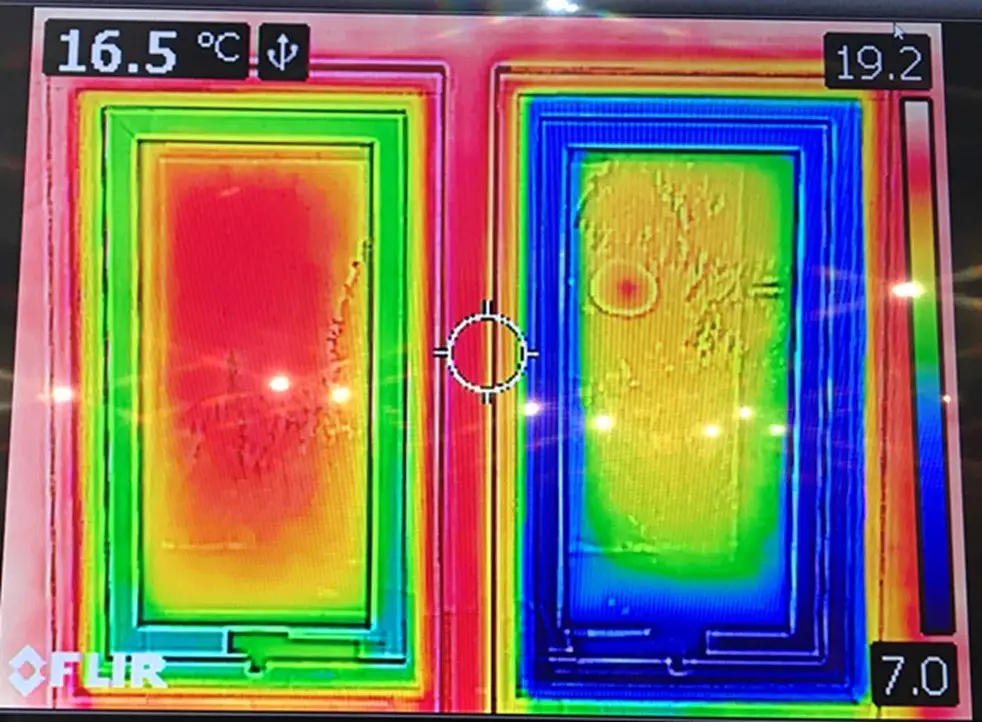
Non-thermal frames act as thermal bridges that cause persistent indoor condensation, peeling plaster, rotting drywall, and toxic black mold growth around window sills. Thermal breaks keep interior profile surfaces comfortably above the dew point, eliminating costly remediation claims.
Frequently Asked Questions (FAQ) – Financial ROI & Lifecycle Costs
Q1: How quickly does a homeowner or developer recover the extra cost of thermal break windows?
A1: Factoring in initial HVAC equipment downsizing and ongoing 30%–40% energy savings, the typical payback period is 3 to 5 years. In hot tropical climates relying on expensive electricity or diesel generators, payback can occur in as little as 2.5 years.
Q2: Does installing thermal break windows increase property appraisal value?
A2: Yes. Appraisers, institutional buyers, and green building funds assign a 6% to 12% valuation premium to properties certified with high-performance building envelopes, low operating costs, and international energy standards (LEED, EDGE, BREEAM).
Q3: Why is non-thermal aluminum considered obsolete in modern construction?
A3: Most developed and emerging building energy codes (IECC, ASHRAE 90.1, EU EPBD, SANS 10400-XA) now mandate maximum envelope U-factors that non-thermal frames cannot mathematically achieve. Specifying non-thermal frames creates severe compliance and permitting failures.
Q4: How does factory-direct sourcing from Foshan improve project ROI?
A4: Direct sourcing from our Foshan manufacturing facility eliminates third-party distributor and middleman markups, reducing procurement costs by 30%–45% compared to local retail pricing while delivering certified European-standard systems.